| Today |
| Reviews |
| 2013 |
| 2012 |
| 2011 |
| 2010 |
| 2009 |
| 2008 |
| 2007 |
| Contact Us |

RainyDayMagazine's content can now be licensed for your print magazine or web site. Please contact us directly here. If you want to see something reviewed, then drop us a note with a link and we'll be happy to take a look. NOTE: Click here to read more about our approach to product reviews. |
Knowing what the weather will be is useful for gardeners. We don't like to water our plants unnecessarily, so we especially like knowing whether we should water the plants today or can they hang on for the rain that will be here tomorrow. Weather apps have been a great help. With the amount of information available at our fingertips one would think that the standard Weather app for the iPhone would be just as good as any of the others available in the App Store. After looking at a bunch, we can tell you that it is just not so.
The Weather app which comes pre-loaded on the iPhone will give a general forecast for the upcoming week, but if you want to know what will happen at your specific location in the next hour or so, then you are better off just looking up at the sky. Fortunately, there are other apps which are more predictive than the just-look-around-and-guess method. The best app, based on our experience, is ... [more] - Weather Tools
|
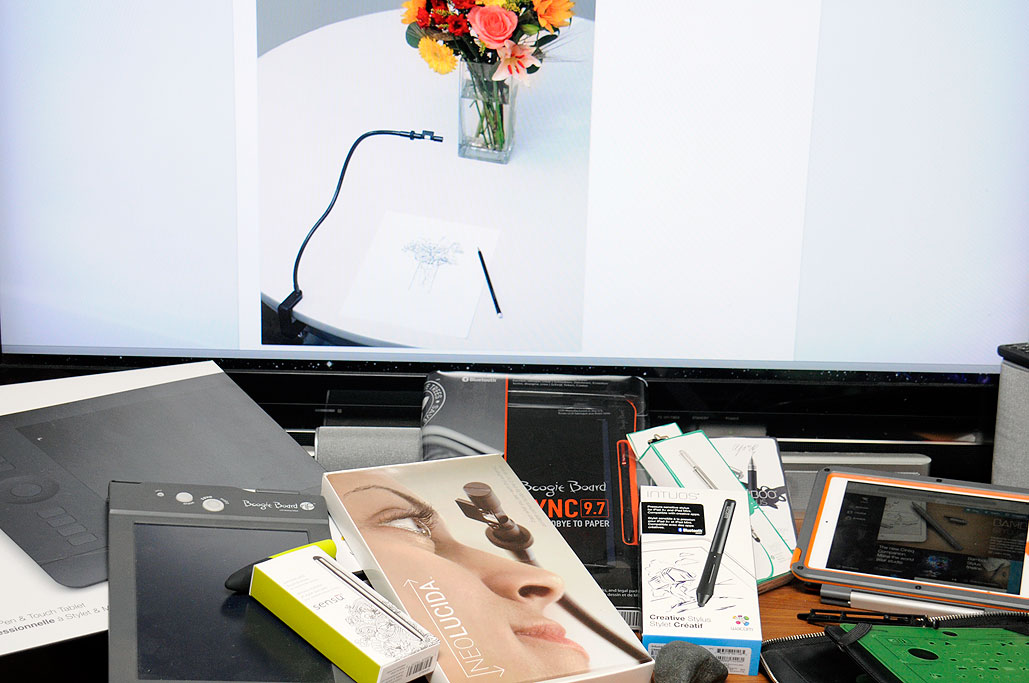
Creativity is elusive and hard to quantify, but something many want to encourage, stimulate, and foster in themselves. Sketching is one way to get those creative juices flowing. The tools needed are simple: some paper, and a pencil. Add some colors, a brush or two, and suddenly you find yourself kitted out for an afternoon of painting along the river bank. Toward that end, we have assembled a collection of tools we think will of interest to the artist with a digital bent (or the digerati with an artistic bent).
The tools listed below were chosen based on one overriding criteria: mobility. A lot of digital work is done in studios on large monitors, with big graphics tablets, and powerful computers. The laptop freed the artist from the studio, but were not conducive to spur-of-the-moment inspirations and impromtu sketching. Tablets changed all that. Today's digital artist is finally unchained and... [more] - Creative Gear
|
The crew at RainyDayMagazine recently stopped by this year's Boston Magazine Design Home for a tour. Said home is the just-built domicile of our friends Tom and Natalie Treat. When Tom and Natalie decided to leave the city for more rural surroundings, they saw it as an opportunity to put some of their environmentally conscious desires into practice. "There are many ways to live more energy efficiently," says Natalie. "We want to be living proof that it can be done successfully, and show how it can affect community initiatives and overall policy." She adds, "We want our home to be a lab where people can learn from what we've implemented." After an unsuccessful search for an existing house which met their requirements, they decided to start from scratch and build something which satisfied their sustainable, net-zero-footprint goals, at a relatively affordable price. As things would have it, Tom and Natalie's plans meshed with Boston Magazine's goal for their tenth Design Home project, a net zero-energy house.
Each year's Boston Magazine Design Home is built in a different location in New England, and this year it can be found north of Boston in beautiful Salisbury, MA. This project reflects the current trend of... [more] -Design Home 2014
|
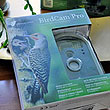
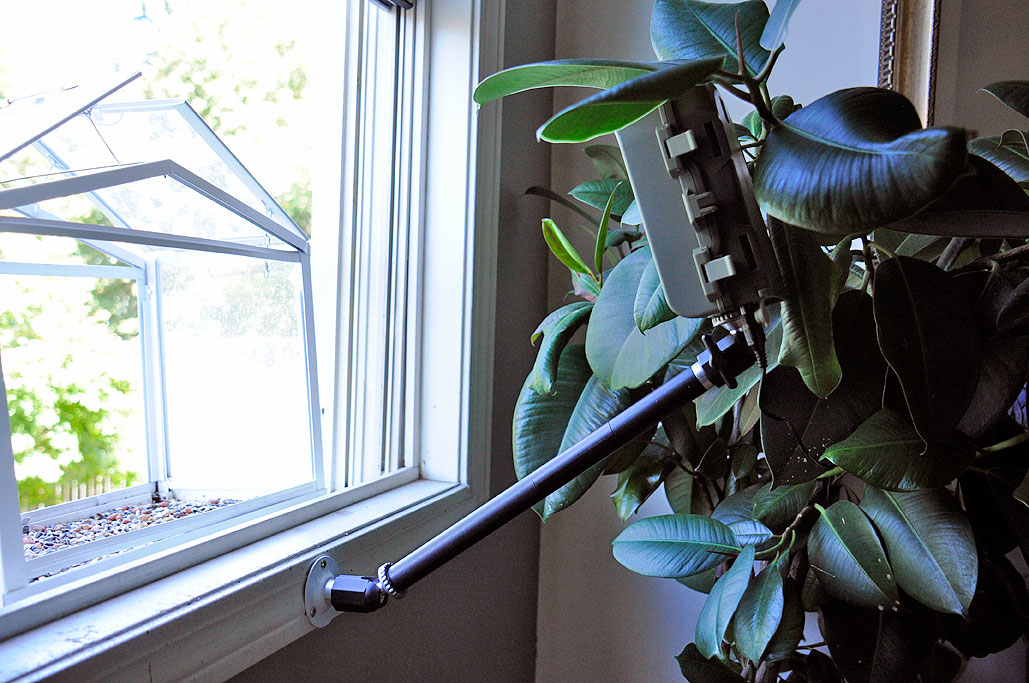
The BirdCam and BirdCam Pros from Wingscapes are weather-proof wildlife cameras/videocams. Both cameras have been set up in various sections of the RainyDayGarden for almost a year. Some readers have asked how these wildlife cams have fared and what we managed to capture with them.
Of all the BirdCams setups, the one which yielded the most interesting shots was at the 2nd-story window feeder. This is because we could vary the bird feed we put out (and thus change who visited it) and easily make adjustments to the BirdCam (because it was inside). Also with this particular setup, we can hear the birds at the feeder and so have an idea when "interesting" things might have been captured :-) The one requirement with the 2nd-story installation is... [more] - BirdCam and BirdCam Pro InTheWild
|
A little more than a year ago we wrote a piece on the upcoming release of a device which we thought would make a huge impact on the state of natural user interfaces for the general market. The Leap Motion controller went on sale at Best Buy at the end of July 2013. Unfortunately for Leap Motion the controller was not useful for anything other than the most primitive of interactions, and even then, its effectiveness was highly questionable. We thought about writing an article on the Leap Motion controller at the time, but held off because there were already a slew of reviews (MIT Tech Review, Gizmodo, Amazon
The problem back then with the Leap Motion was not with the controller. The hardware was ready. The issue was the software released with the device, while stable, was clearly in the alpha state in terms of functionality. It showed the device's tantalizing potential, but even if one was willing to put up with its... [more] - Leap Motion FirstThoughts
|
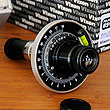
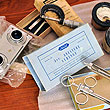
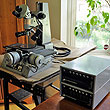
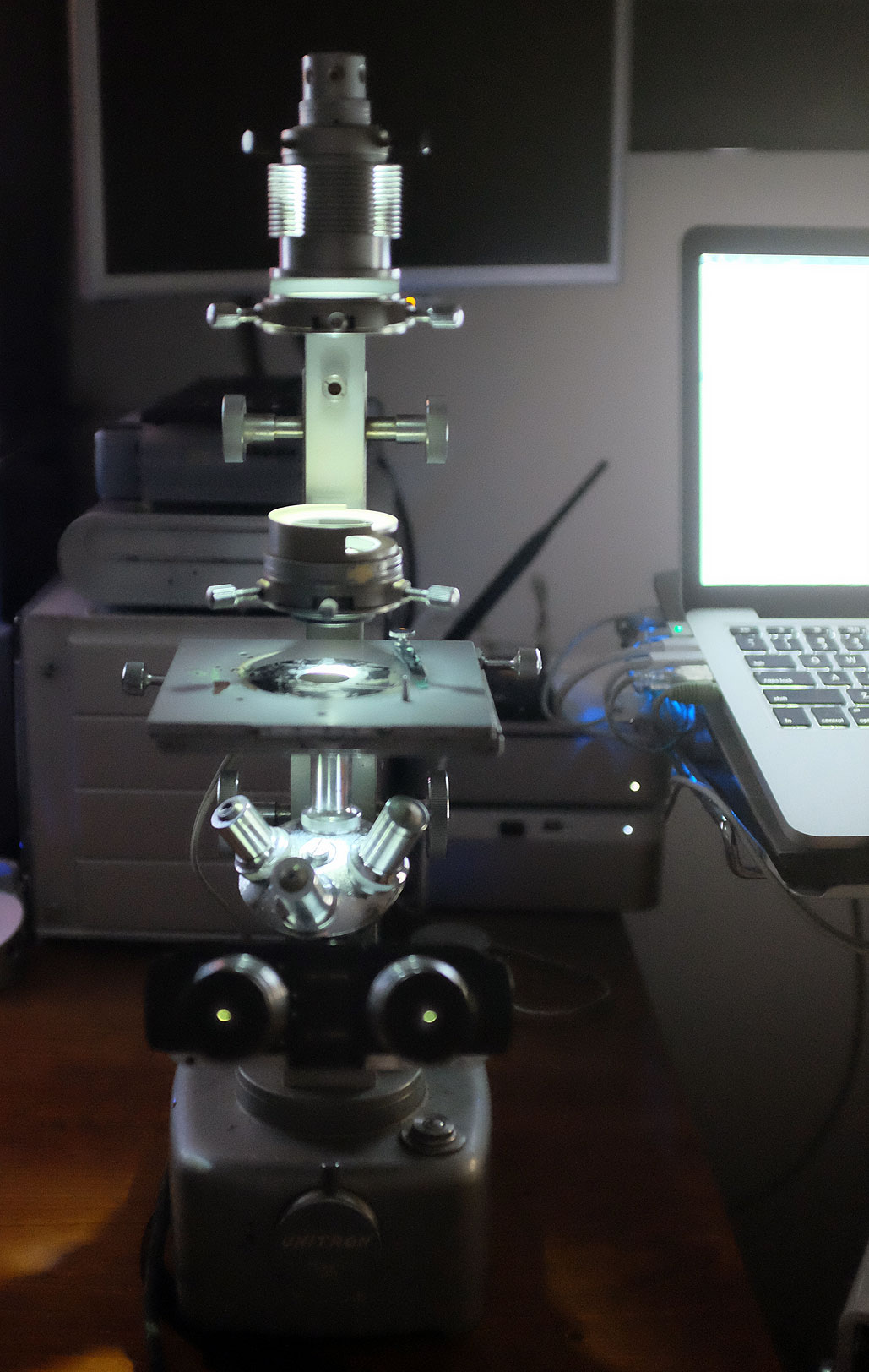
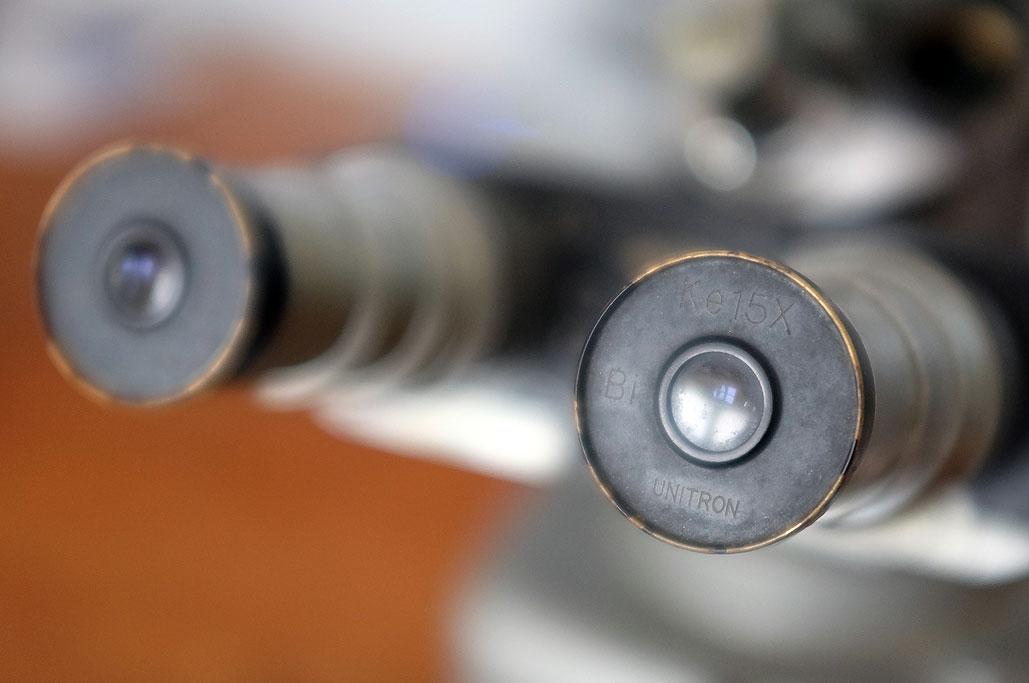
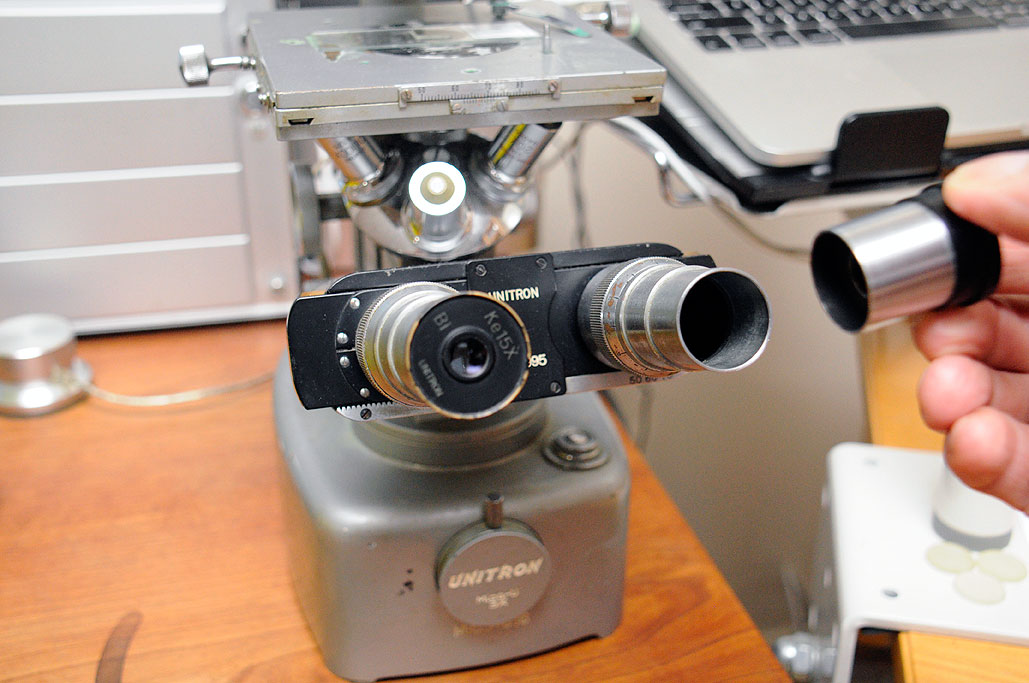
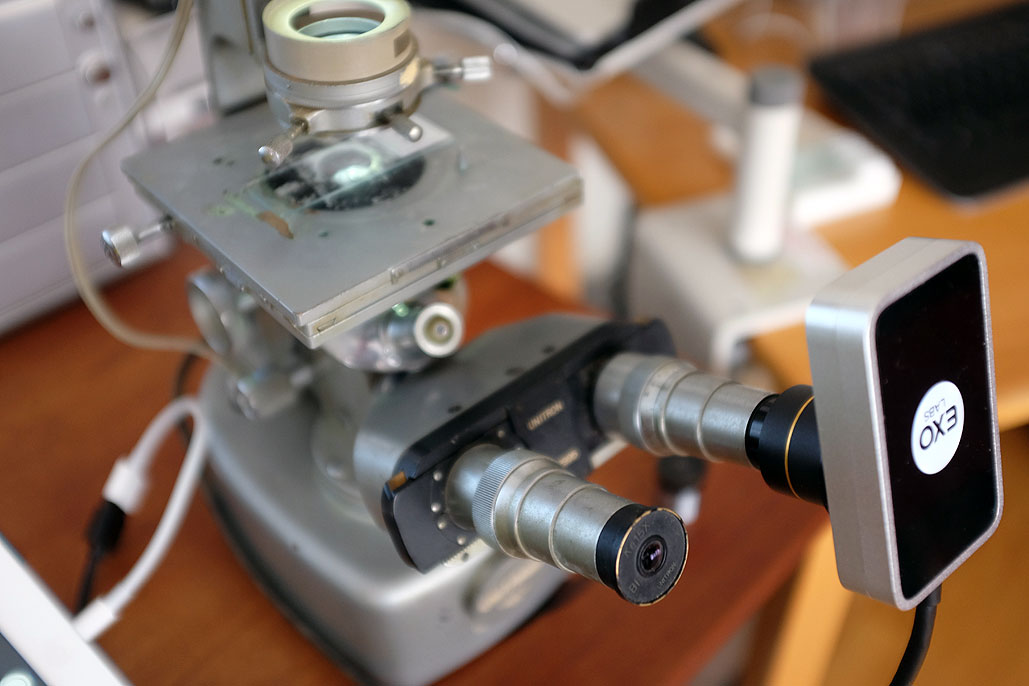
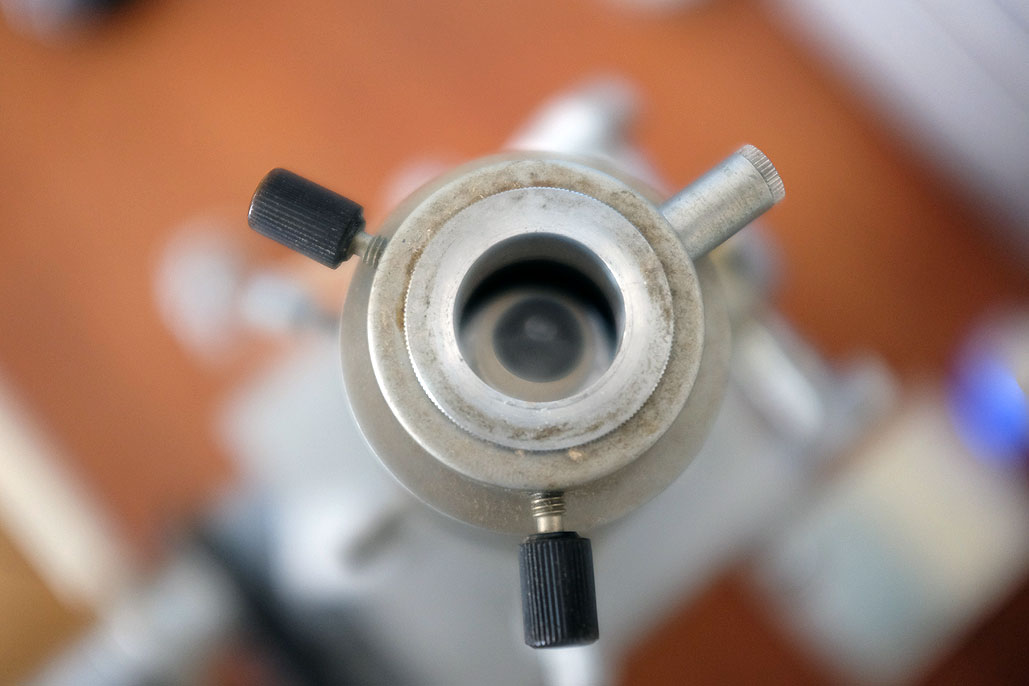
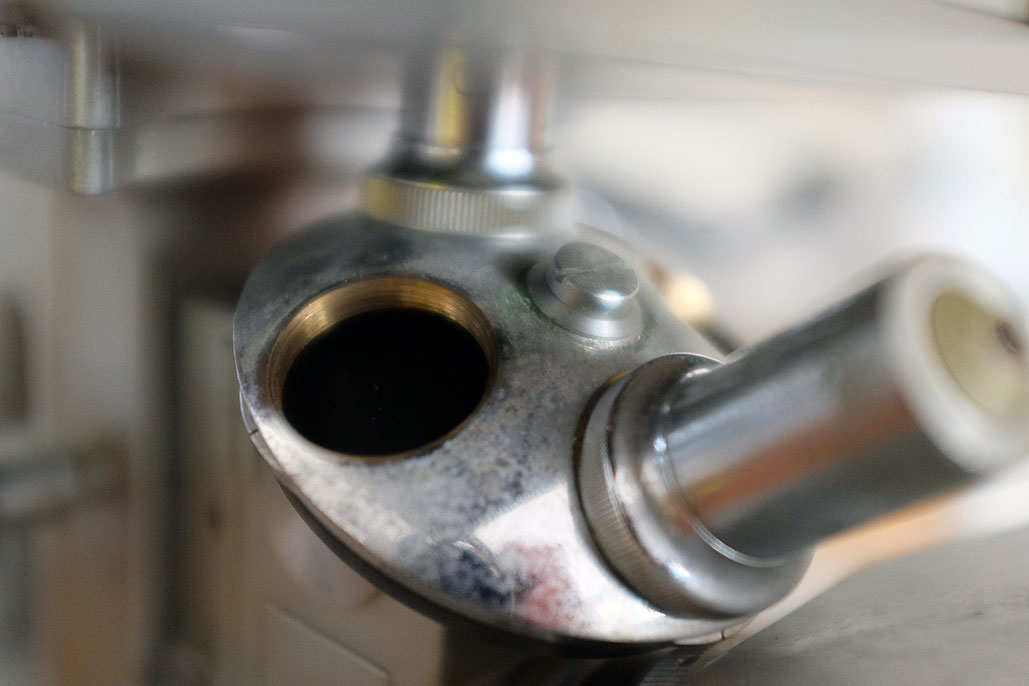
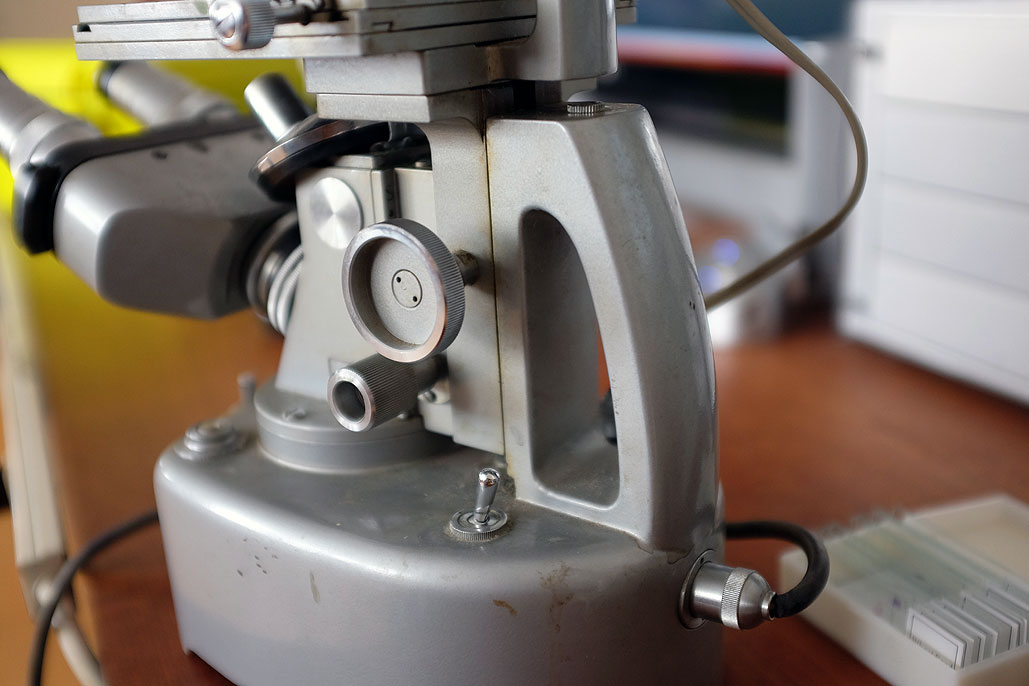
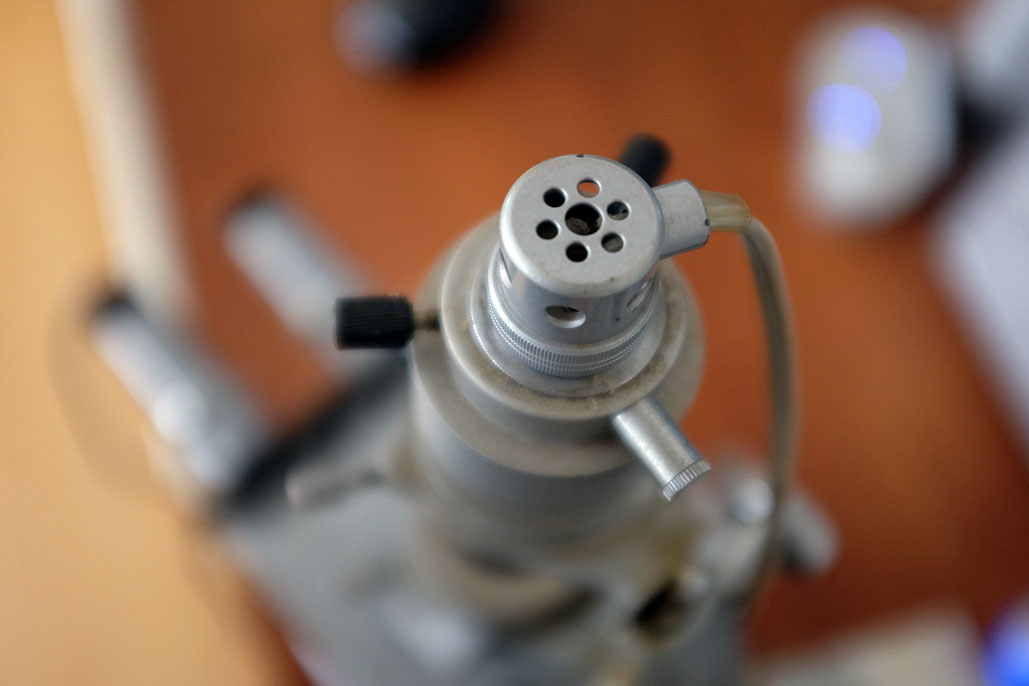
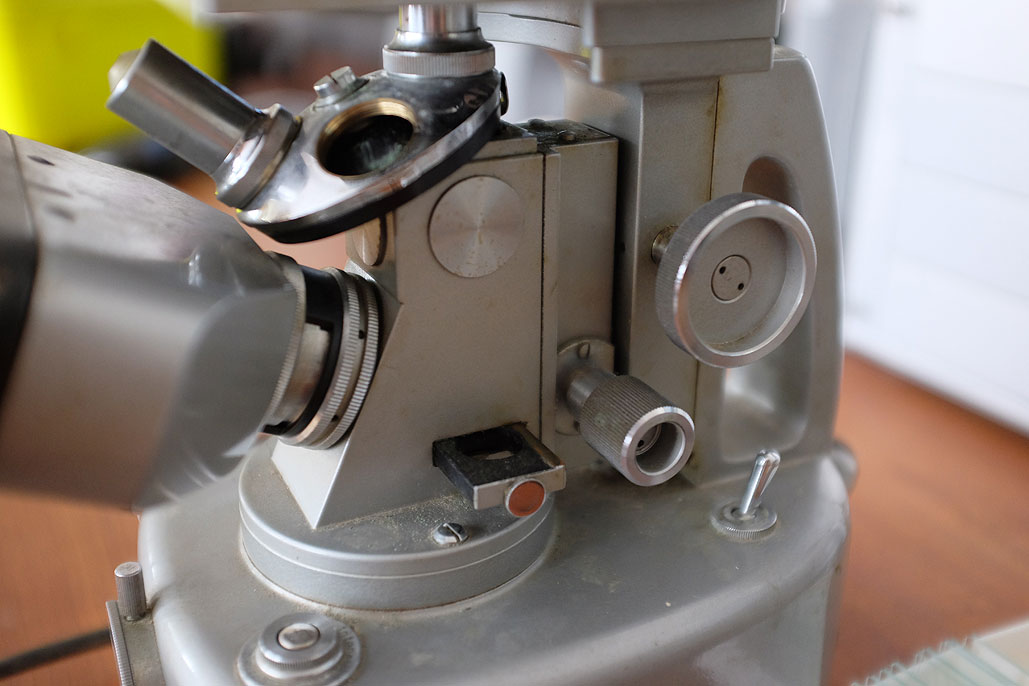
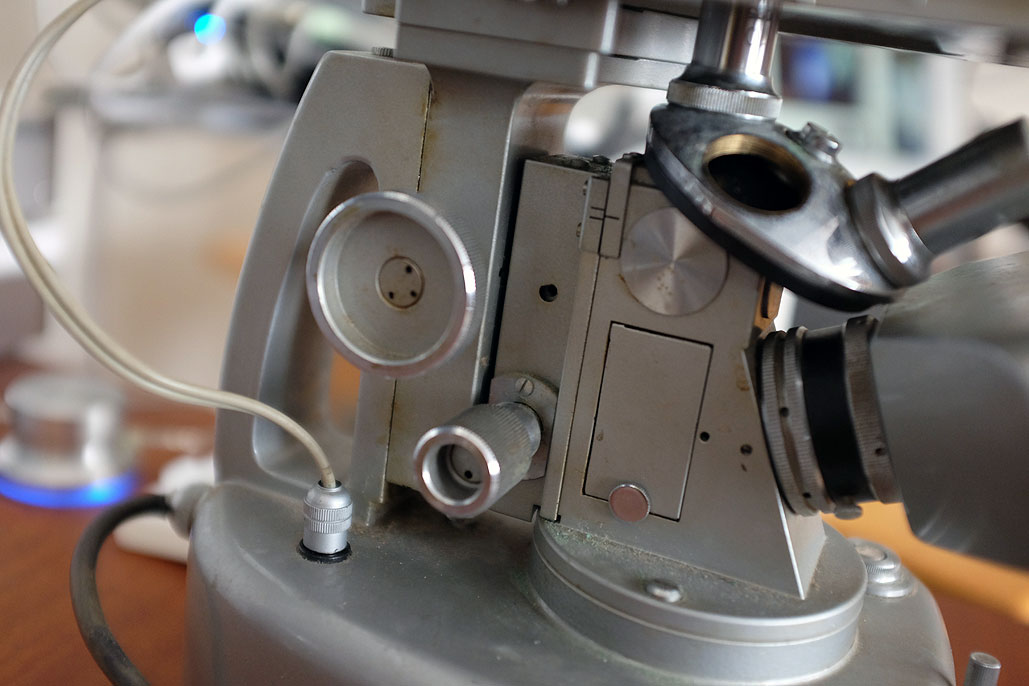
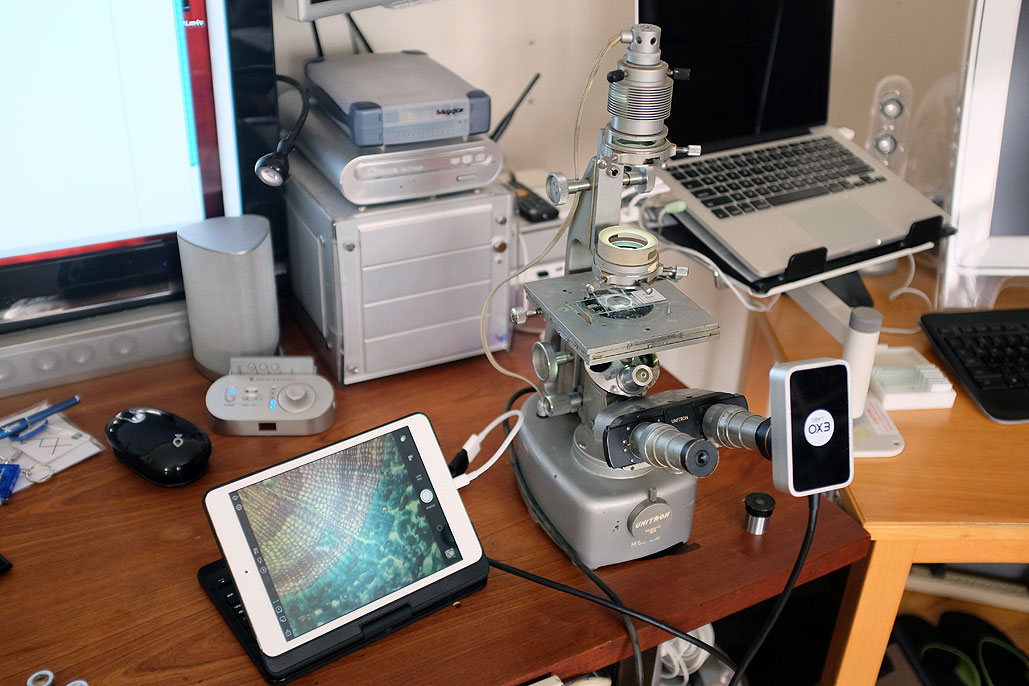
The UNITRON inverted microscope is pretty cool in and of itself. When paired with the EXO Labs Camera (ELC), this vintage instrument went from old-school analog to high-tech digital, and from cool to awesome.
What is even better is that the transformation happened in a trice because the EXO Labs Camera is as easy to set up as it is to use. The ELC's adapter lens is sized to fit into a standard eyepiece socket. All we had to do was take off the eyepiece, insert the camera, and we were... [more]- EXO Labs On UNITRON
|
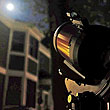
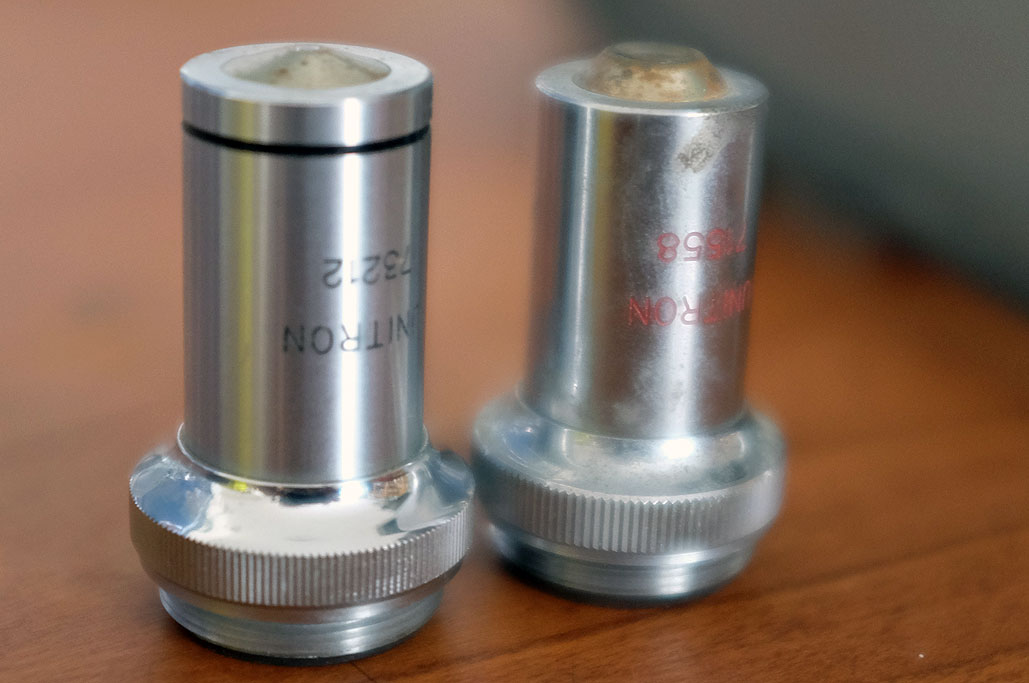
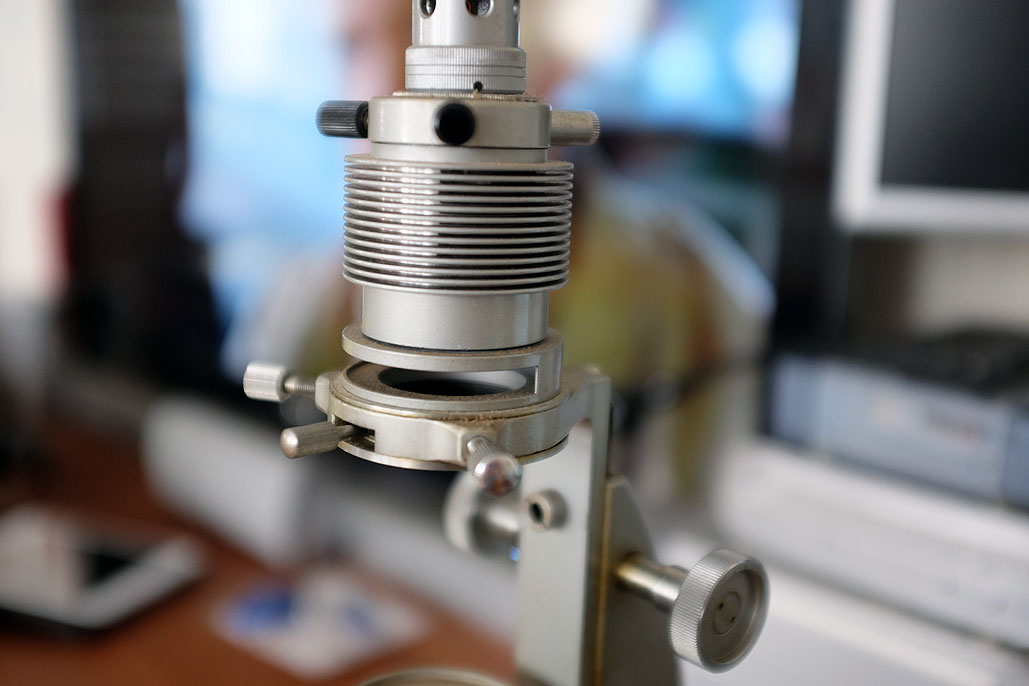
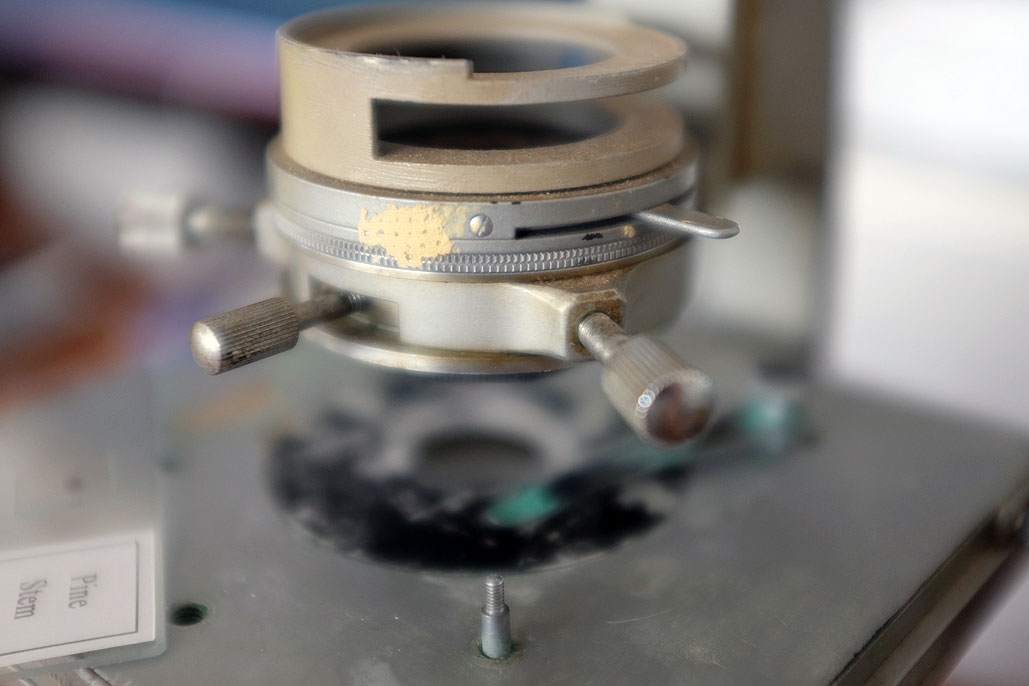
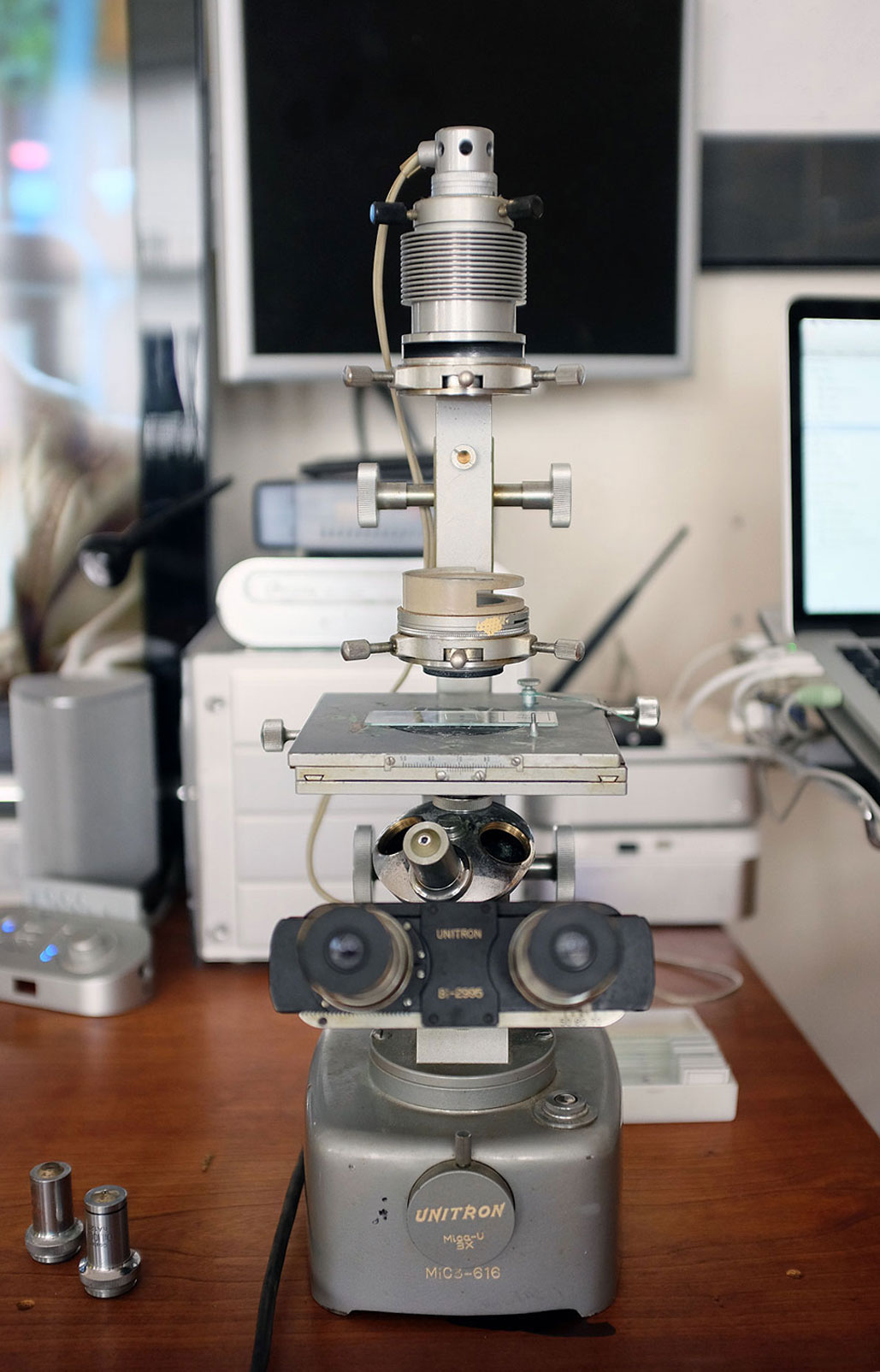
Microscopes and telescopes are amazing devices because they can "transport" us to other worlds at the speed of light. This is why we constantly scour Craigslist for vintage optical instruments. We like retro optical-tech as it is typically very well-made, (usually) still functional, and (some) can be had for pennies on the dollar. Of course, it helps to stick with well-known names like Zeiss, Leica, Nikon, and the like. However, every once in a while we happen upon a piece with a name we do not recognize, but has a deal so good that we cannot not pass it up. This was exactly the case with the Unitron MiC3-616 inverted biological microscope we scored a couple of weeks ago.
This beauty was a little grimy when we got our hands on it. While in desperate need of a good cleaning (it, not us), the optics (eyepiece, objective lenses, condenser, etc) had no scratches, mold, or moisture-related issues. The mechanicals (gears, turret, knobs) were definitely a little stiff, but they all moved without any grinding...an excellent sign. Best of all, the electricals (lamp, switches, wiring, etc) were complete and functional, which is great because... [more]- Vintage Inverted Microscope
|
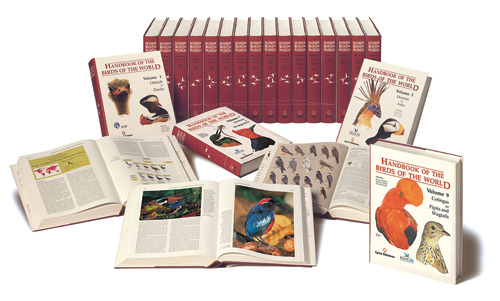
In this age of the internet, digital books, and iPads, Lynx Edicions has forged a successful paper path. They are able to do that by being the world's go-to source for wildlife guides and references, one of which is the Handbook of The Birds of The World (HBW) series. HBW is the first work ever to examine in detail—verbally and visually—all the living species of birds in the world. It is also the first to attempt to portray every member of an entire Class in the Animal Kingdom. Fantastic!
The HBW collection is a 16-volume authoritative text (over 13,000 pages, more than 10,000 maps, and clocking in at 15 million words) with precise illustrations and photographs (1,000 or so plates, over 20,000 bird figures). HBW is the combined work of 277 pre-eminent specialists and 33 illustrators from 40 countries. The photographs are the original contributions of... [more]- Lynx Edicions: Handbook of The Birds Of The World
|
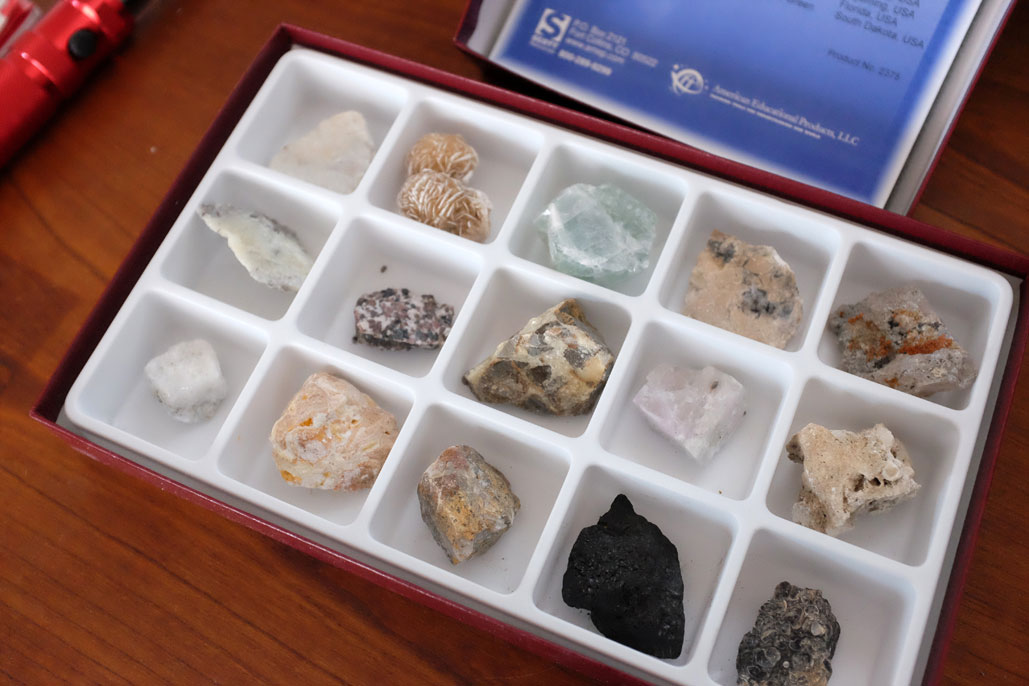
After our recent post on the EXO camera stand, we started getting comments and suggestions on geology gear. That took us by surprise as we didn't realize that RainyDayScience readers were also avid rock collectors. As we had stated on several occasions, while we do have a rather extensive and well cataloged rock collection, we are not rock collectors. Our collection is from from AMEP. However, after reading some of the emails on fluorescent rocks, we found ourselves intrigued by the topic of fluorescent minerals. As we do have fifteen samples which are suppose to glow under the appropriate lighting conditions, we decided to take a look at the phenomenon of "glow-in-the-dark" rocks.
Our first task was to do some research and acquire a good UV light source. Our search soon pointed us to Ultraviolet Tools in TX. They are one of the world's leading ultraviolet lighting manufacturers and have a large selection of... [more]- Glow In The Dark Rocks
|
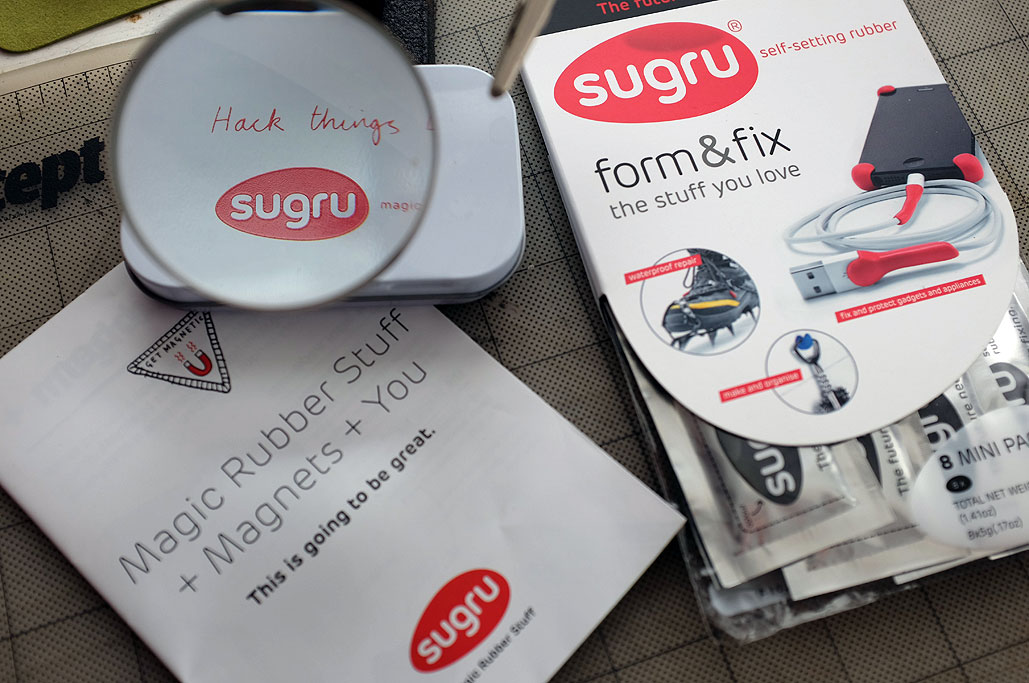
Fixing things is one of the many uses for the magical material that is Sugru; making things better or more useful are the others. We were clued into the stuff a few years ago by readers who had played with it and thought it would be a good fit for RainyDayProjects.
Since that time, we have fixed a LOT of stuff with Sugru. Some of it have stayed fixed, some of it not. Along the way we have learned what works and what does not. We also have been compiling a "wouldn't it be great" list of things we wanted to be able to do with Sugru. One idea was to... [more]- Sugru Update
|
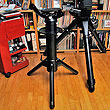
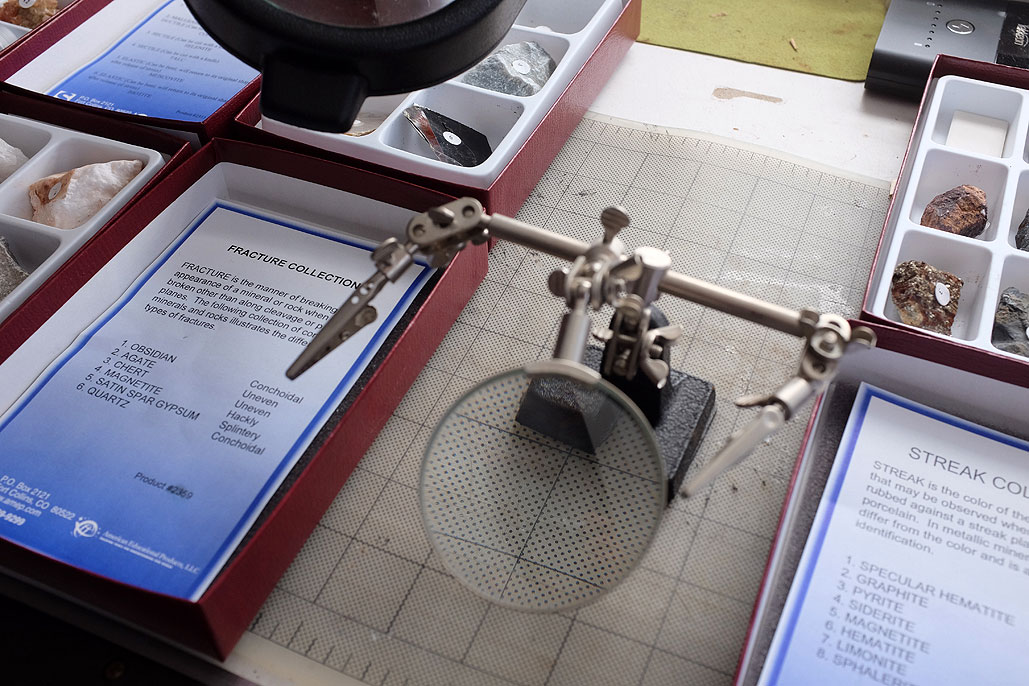
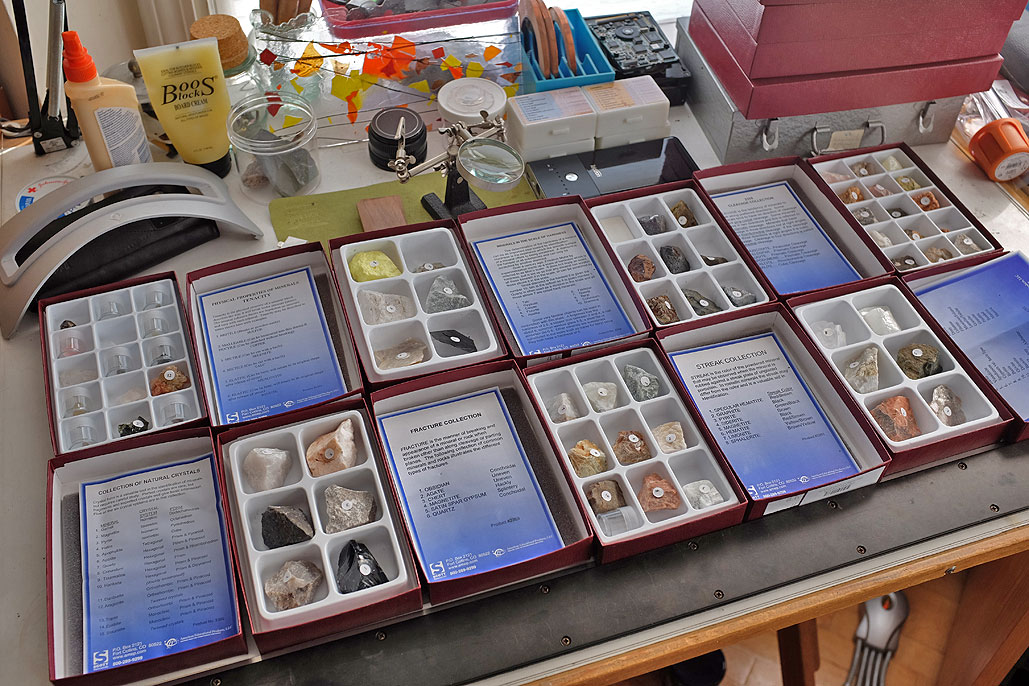
We don't collect rocks, but we do have a large rock collection, and a rather well-organized one at that. Here are some of the boxes from the collection. They are categorized by criteria such as hardness, crystalline structure, florescence, etc. How we came to have such a collection is a story for another day. Suffice to say, having the collection is an excellent excuse to justify our desire to review gear for looking at rocks
There are many tools one can use to examine features of geological samples. Old-school magnifying glasses work pretty well: no batteries needed; very portable. Of course, the ability to... [more]- EXO Labs: Camera Stand
|
The RainyDayKitchen folks have enthusiastically feasted on all manners of meat and have loved every bite (except, of course, the vegetarian). However, a recent viewing of the documentary Forks Over Knives
What is The China Study? It started with the Cancer Atlas Survey. In the early 70s, China initiated a nationwide survey to collect information about cancer. The survey involved 2400 counties and 880 million (96%) of the population. To date, that was still the most ambitious biomedical research project ever attempted. The result was literally a set of maps detailing the presence and absence of certain types of cancer in China. It clearly illustrated geographically that some cancers were... [more]- Forks Over Knives
|
Those who know us know that we are not ones who are into home remedies (well, one of us is, the rest of us just let her talk). While we do not dismiss folk medicine as hokum (we do acknowledge that a number of today's pharmaceuticals have herbal roots), we do put more stock in understanding the mechanism of action more than just anecdotal evidence. However, we were intrigued by a bottle of Fire Cider one of our editors brought into the office. She was taking it to help with her cough. She was willing to share it with the few of us who were under the same affliction (she's nice that way).
The spicy apple cider vinegar concoction was rather tasty and surprisingly, did help in suppressing our coughs. Unfortunately, the small bottle did not last very long. Instead of "coughing" up $15 bucks for another bottle, we thought we would... [more]- Fire Cider
|
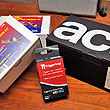
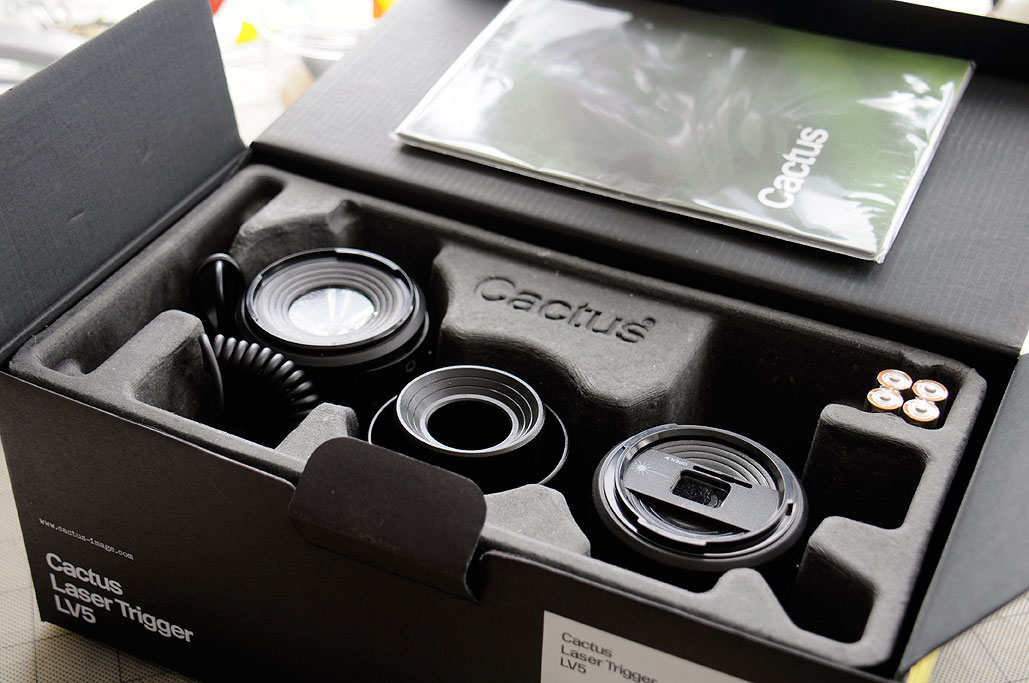
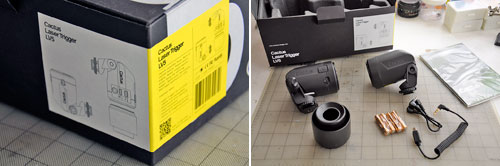
We first looked at laser triggers last Summer. These devices have enabled photographers to bring us into a world that moves too fast for our eyes to see. The basic mechanism behind them will either fire a flash or trip the camera's shutter to freeze the action when the laser beam is broken. After perusing those photos, we knew we had to try a series of photo projects based on these devices. Originally, we were going to go the DIY route first, but then realized it made more sense to start with a commercial laser system and get familiar with the technique BEFORE rolling our own device. After some research, we found the perfect laser trigger to help us venture into the high-speed world.
Cactus has been making a name for itself in photo accessories ever since it came onto the market. The Cactus LV5 laser trigger is one of their newer offerings. The Cactus LV5 is a feature-rich yet very affordable
|
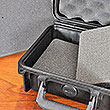
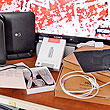
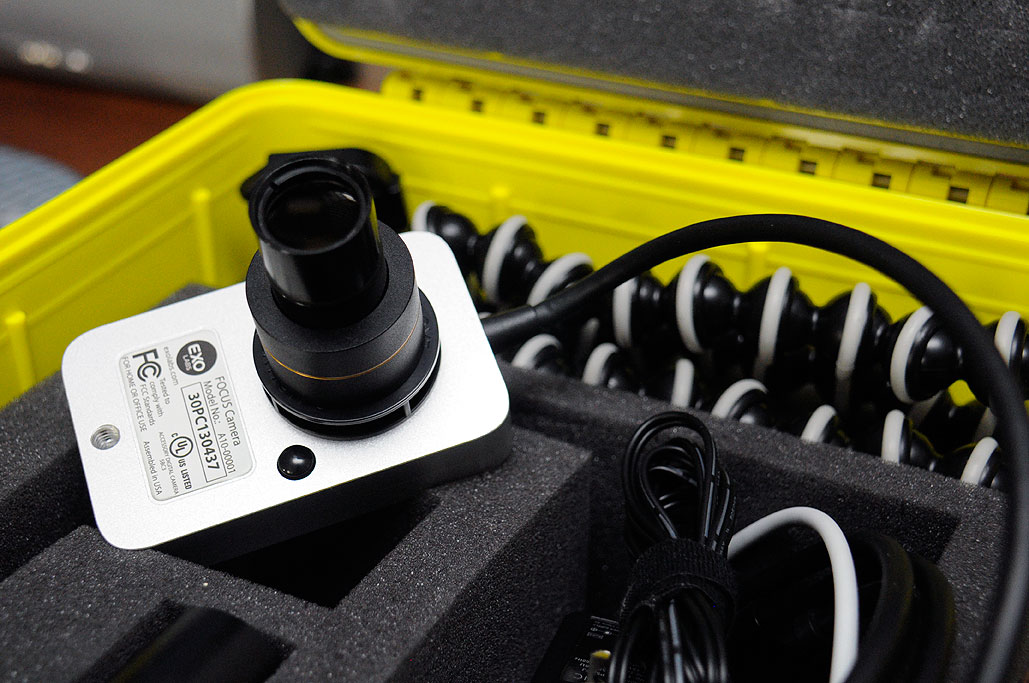
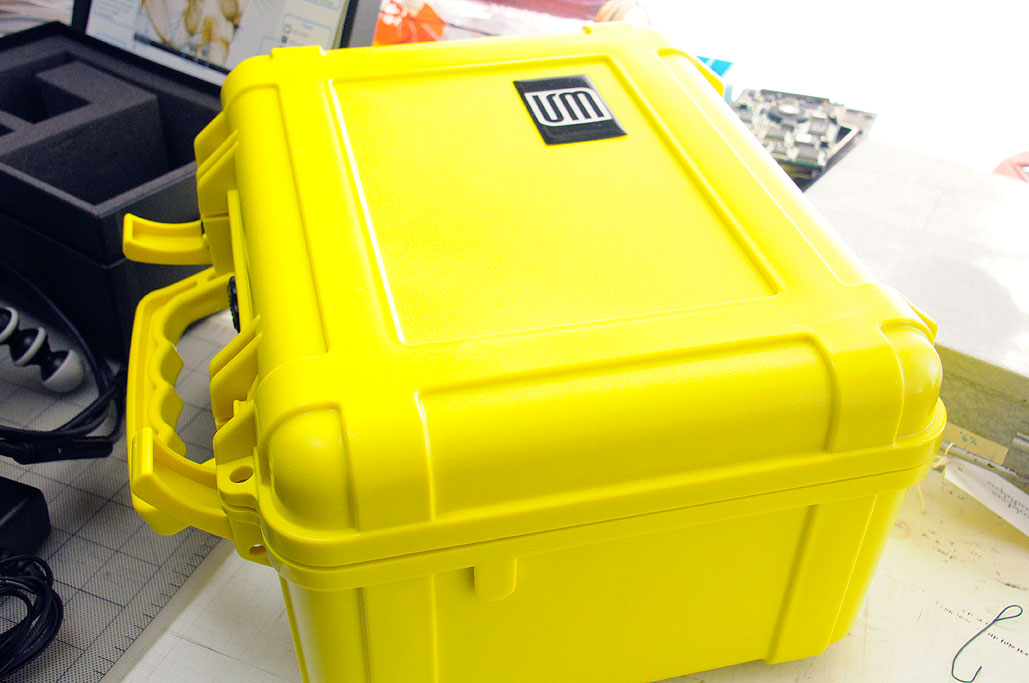
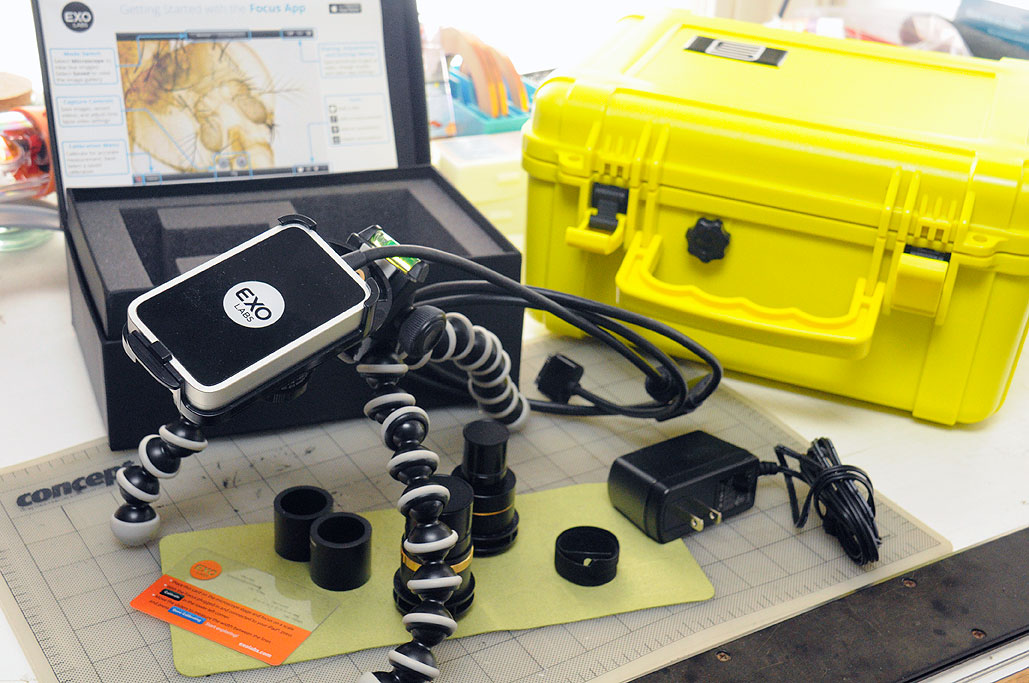
As most readers know, we love to take our gear out into the wild. When we first saw the Exo Labs' Focus camera kit, we recognized that it was a very cool piece of tech. We also realized that the Focus was primarily designed for indoor/lab use. Of course, that is not how we roll. We started looking at options on how to take the "show on the road." Today, we want to show how we configured an S3 watertight case to protect the Exo Labs Focus camera and its various accessories for when we do take it out and about.
S3 is a maker of rugged, watertight cases for a variety of applications. We took a FirstLook of their cases last Spring as part of the write-up on X100S accessories. For this project, we needed a case large enough to house the following:
The size which appears to fit our needs best is their T6500 model. The case is about 12"x9"x6", weighs a little less than 5lbs, and is made from high-impact ABS. It should have enough room for... [more]- EXO Labs: Focus Custom Case
|
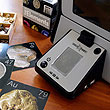
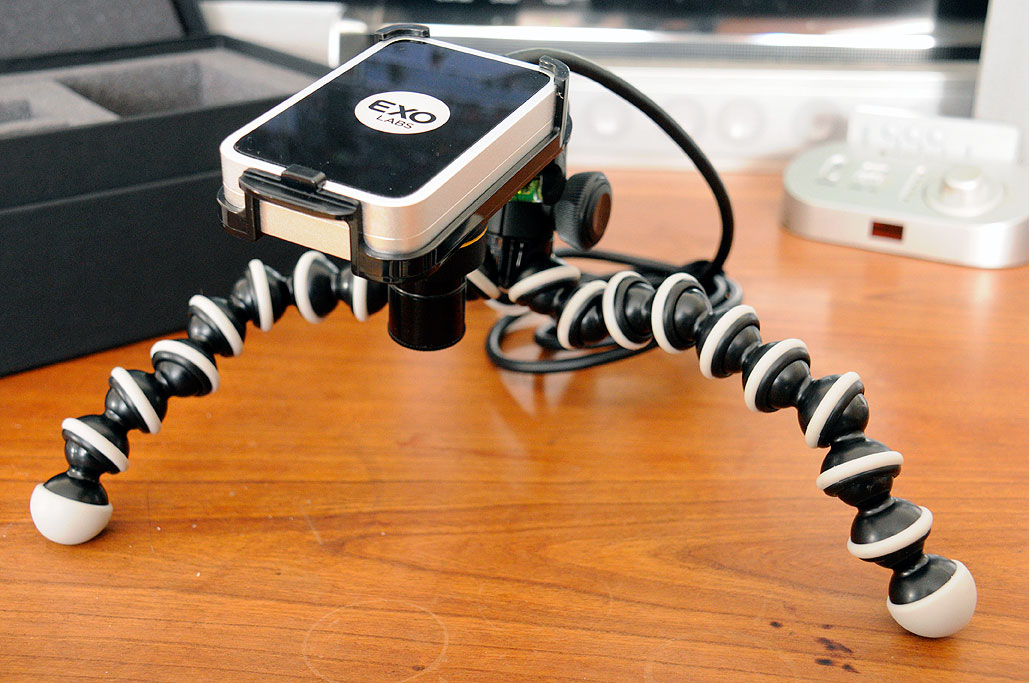
We posted a FirstLook of the Exo Labs' Focus camera kit for the iPad last November. Exo Labs conceived the camera to "... engage students and inspire the next generation of scientists... (by connecting to) iPads and microscopes." Judging by the success stories in the education space, they are certainly making great headway. However, we think they may have tapped into something more.
After the FirstLook posts, comments and questions from RainyDayScience readers were expected, but we were somewhat surprised by the number of inquiries from our general audience. The most-asked question regarding the Exo Labs Focus was about its stand-alone capabilities. Apparently, there is a sizable population interested in using the camera for... [more]- EXO Labs: Pad Microscope/Telescope camera FirstUse
|
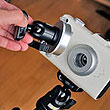
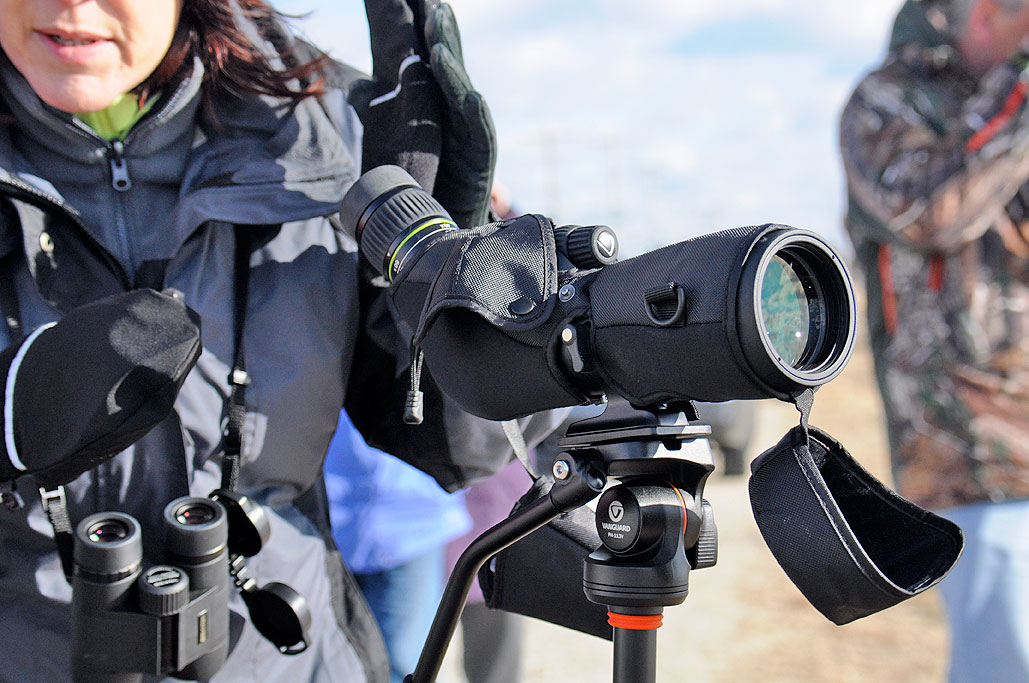
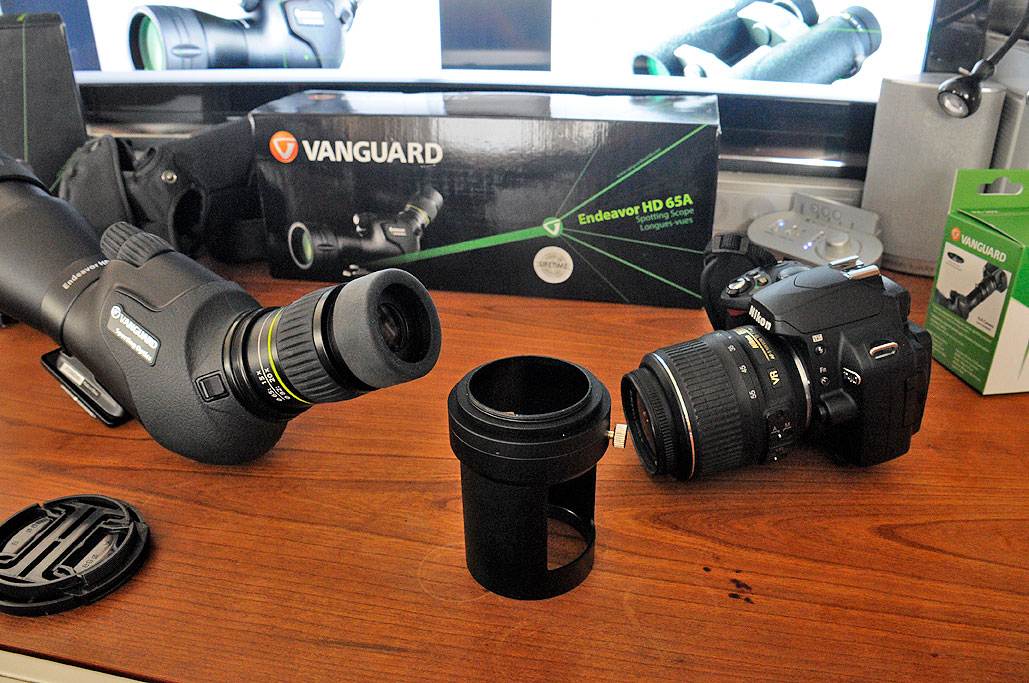
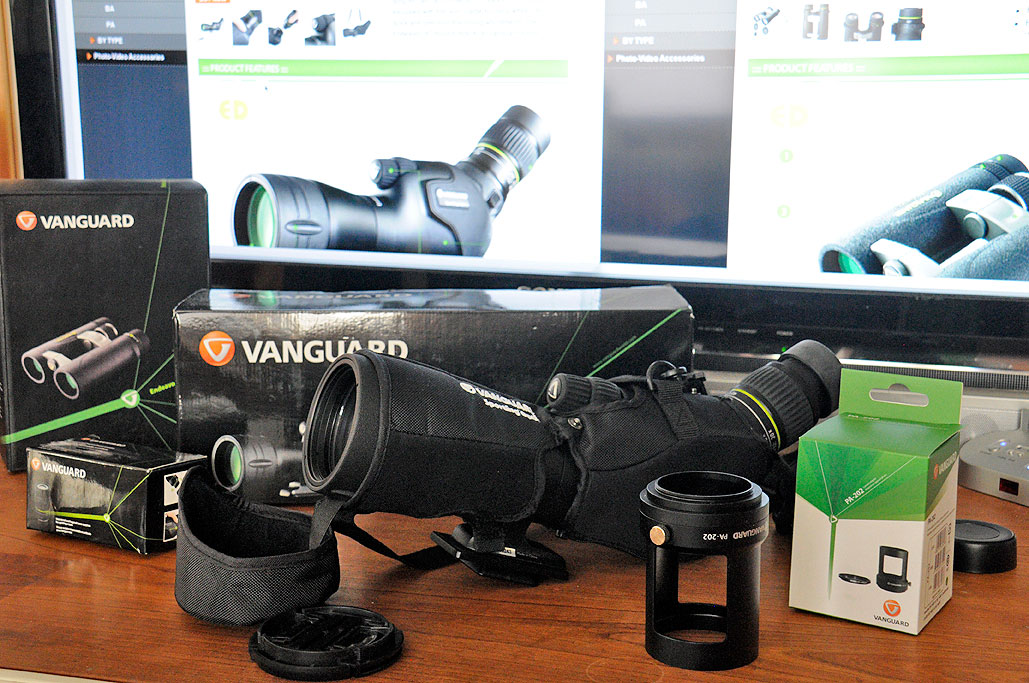
A spotting scope is a great piece of equipment for birders. We had a taste of how well it works when we brought one with us on our Snowy Owl outing to Plum Island. The one lament we had with the scope was that we could not share what we saw when looking through it. Well, apparently that is not exactly true. There is a means by which we CAN share what we see through the spotting scope. The technique is called digiscoping.
The guy who is credited with coming up with the technique is Malaysian birdwatcher by the name of Lawrence Poh. He came upon the idea in 1999 and has been perfecting it ever since. The idea of digiscoping is pretty elegant: point a camera at the eyepiece of the telescope and take a photo of the image as seen by the eye. However, digiscoping only became practical with the advent of small digital cameras, which provide the ability to... [more]- Vanguard Digiscope Setup
|
We got a bunch of emails asking about the spotting scope we used on our New Year's Day Snowy Owls outing on Plum Island. Readers searching for a write-up on the scope on RainyDayMagazine came up empty because we had NOT done a review of the unit prior to taking it out into the field. Today, we will remedy the situation by providing a FirstLook on Vanguard Endeavor HD65A Spotting Scope.
Compact and powerful, spotting scopes let users locate targets at extreme distances that may be difficult to see clearly with binoculars. The Vanguard Endeavor HD65A spotting scope is a compact telescope designed for situations where magnifications beyond those of... [more]- Vanguard Spotting Scope FirstLook
|
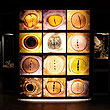
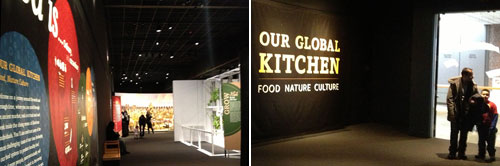
Food is the one thing that everyone on this planet relates to. It cuts across time, culture, and geographic/social/political boundaries. "Food" means different things to different people, but where the food we eat comes from is often nowhere near where we eat it. The Museum of Science's latest exhibit, Our Global Kitchen: Food, Nature, Culture, explores how a complex and intricate food system brings what we eat from the fields to our dinner tables.
Developed by the American Museum of Natural History, Our Global Kitchen is all about food: how it evolved, how it is grown, how it is consumed, etc. It is a fascinating exhibit, very well put together, with lot of interactive stuff for everyone to, well, interact with. The exhibit has sections exploring our relationships with food: growing, transporting, cooking, eating, celebrating. Trends are illustrated, issues are raised, questions are... [more]- MOS: Our Global Kitchen
|
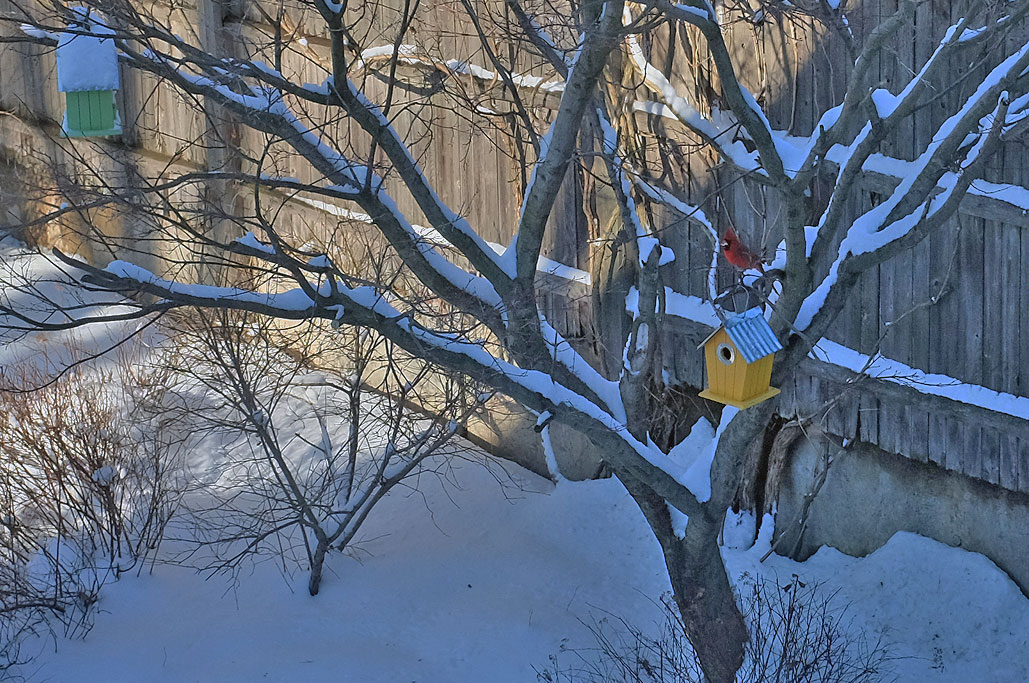
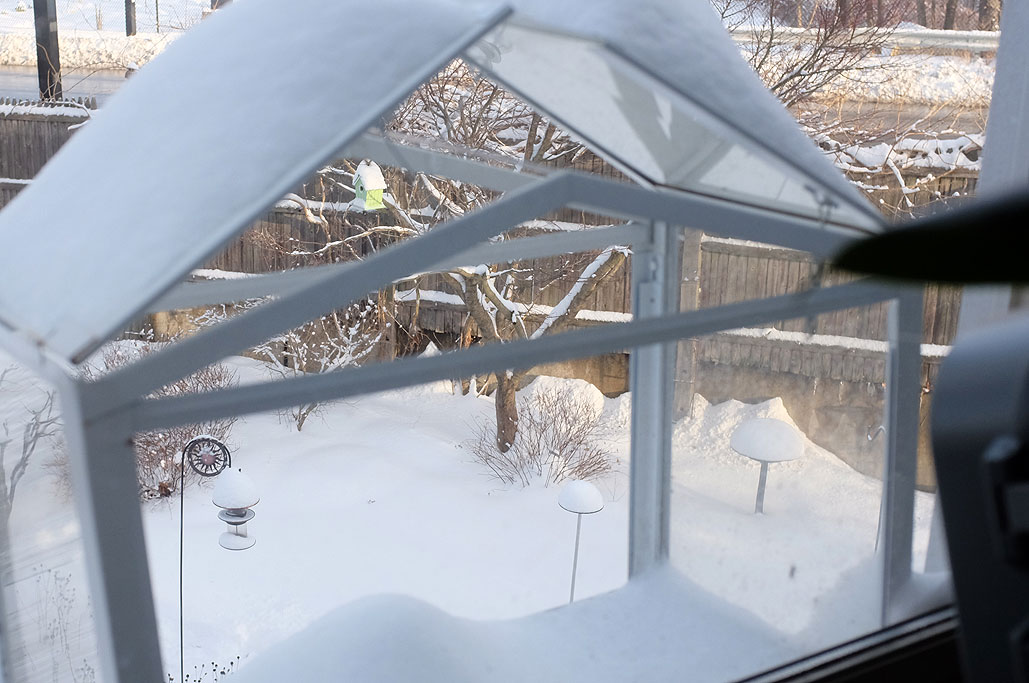
When we first hung the set of bird cottages Winter: December 2013/ January 2014
We have had three snow storms in December and we just got another foot of the white stuff last week. The first one was a dusting, but the second and third storms dropped over 12" of the white stuff. They were good opportunities for some photos of snow covered... [more]- Bird Cottages Update
|

 , etc) on its disappointing performance. We had nothing new to add and did not feel the need to pile on. So was the Leap Motion gadget DOA? Far from it.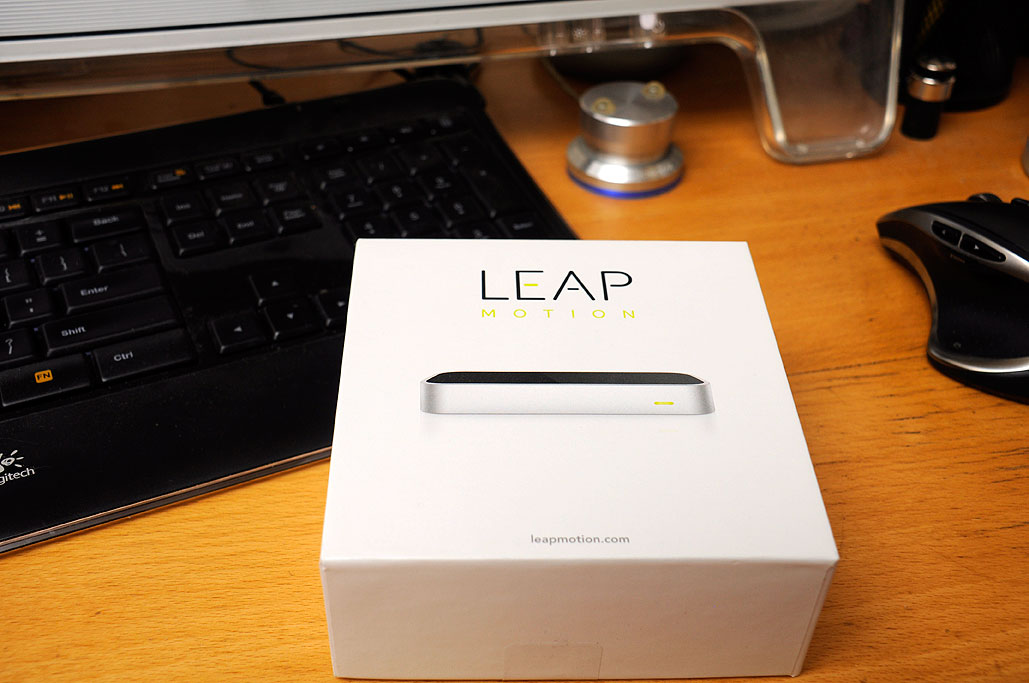


| Science 2013 | ||
|
|
||
| Science 2012 | ||
|
|
||
| Science 2011 | ||
|
|
||